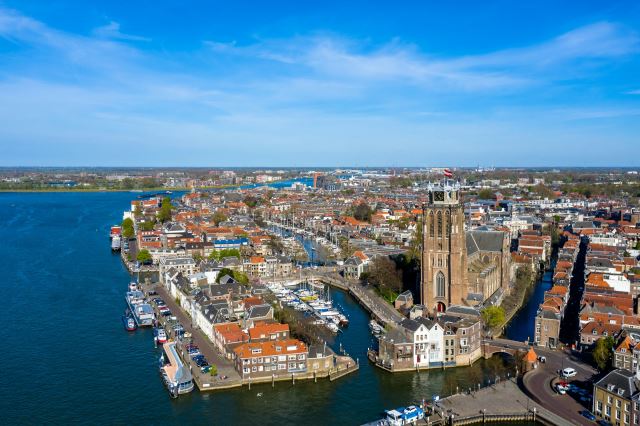
Europe | Netherlands | Amsterdam



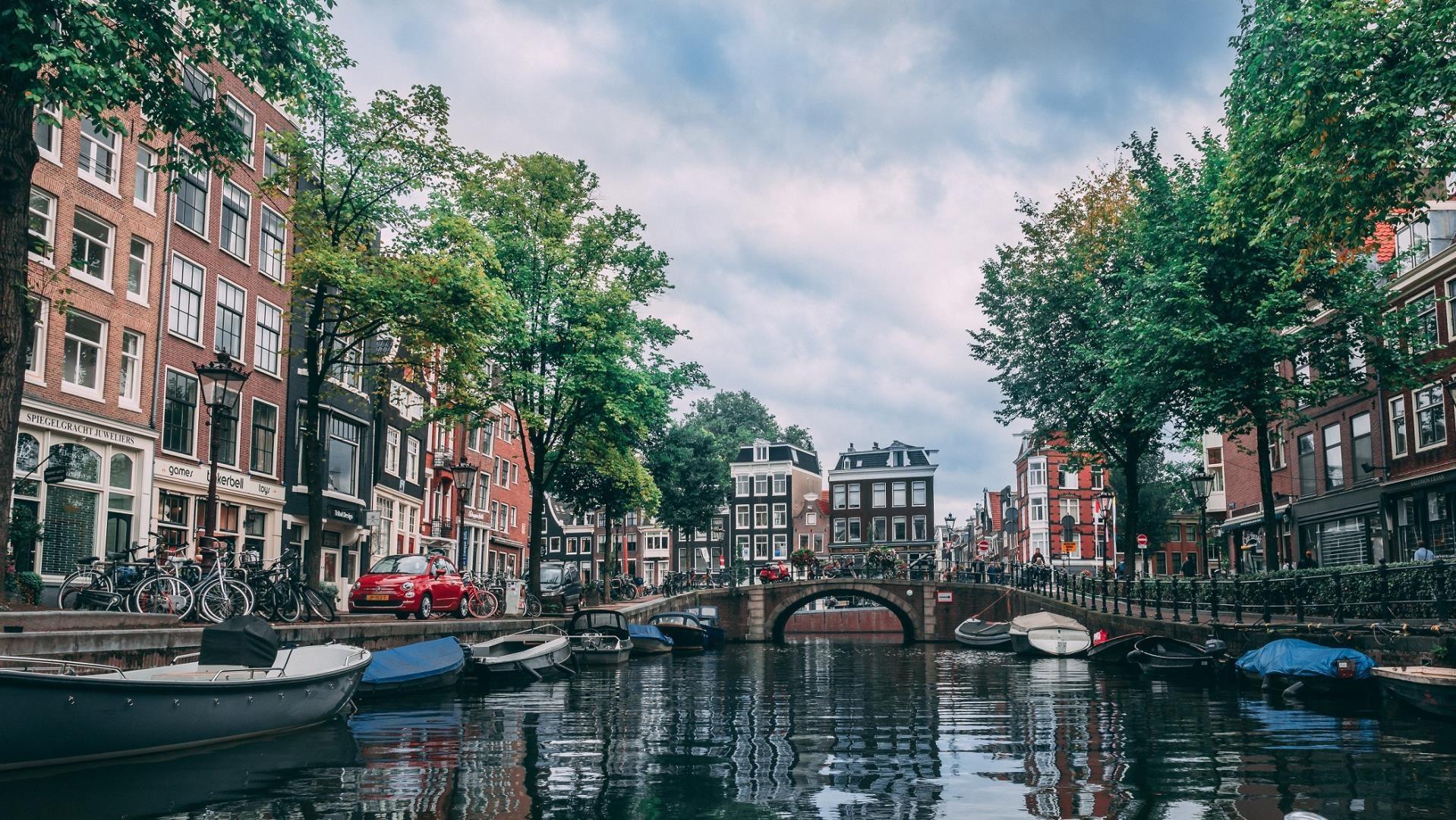


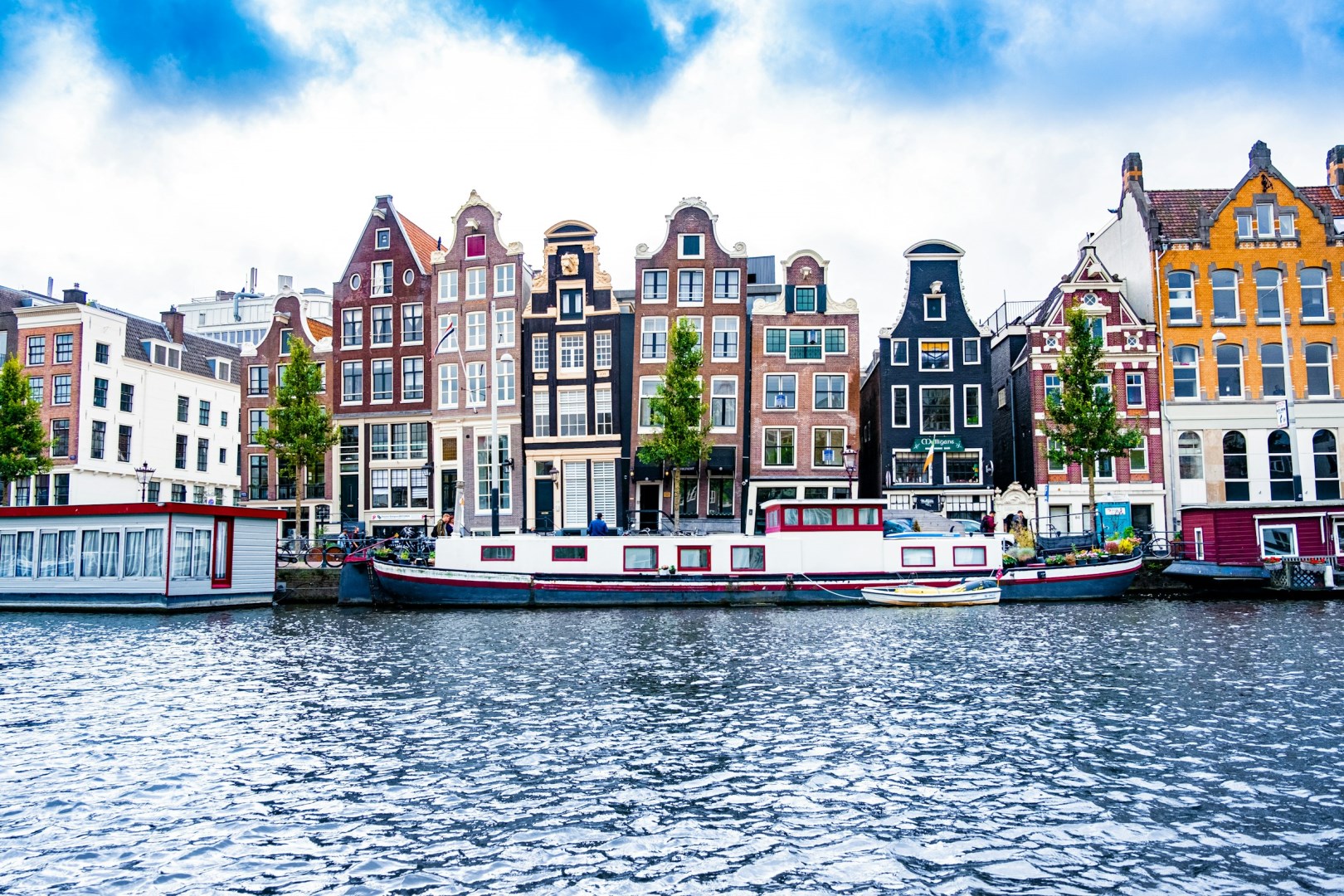
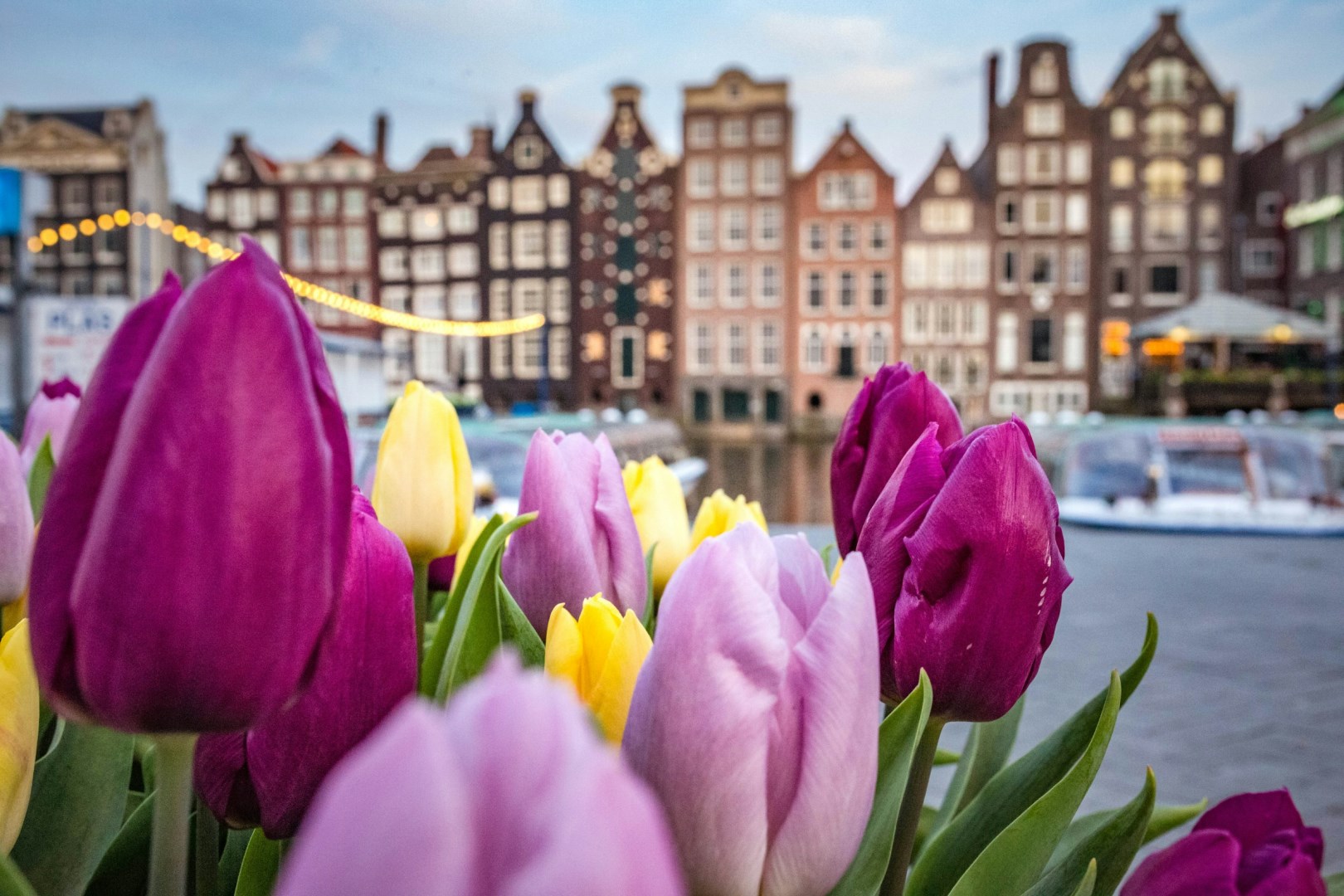
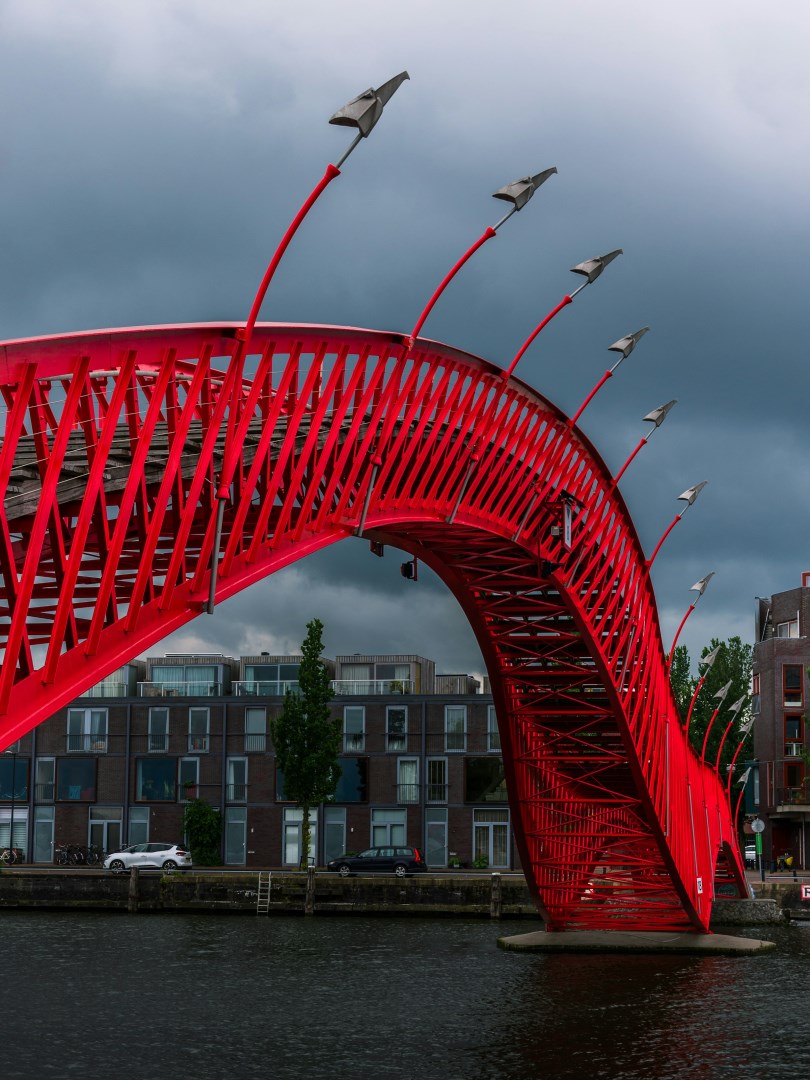
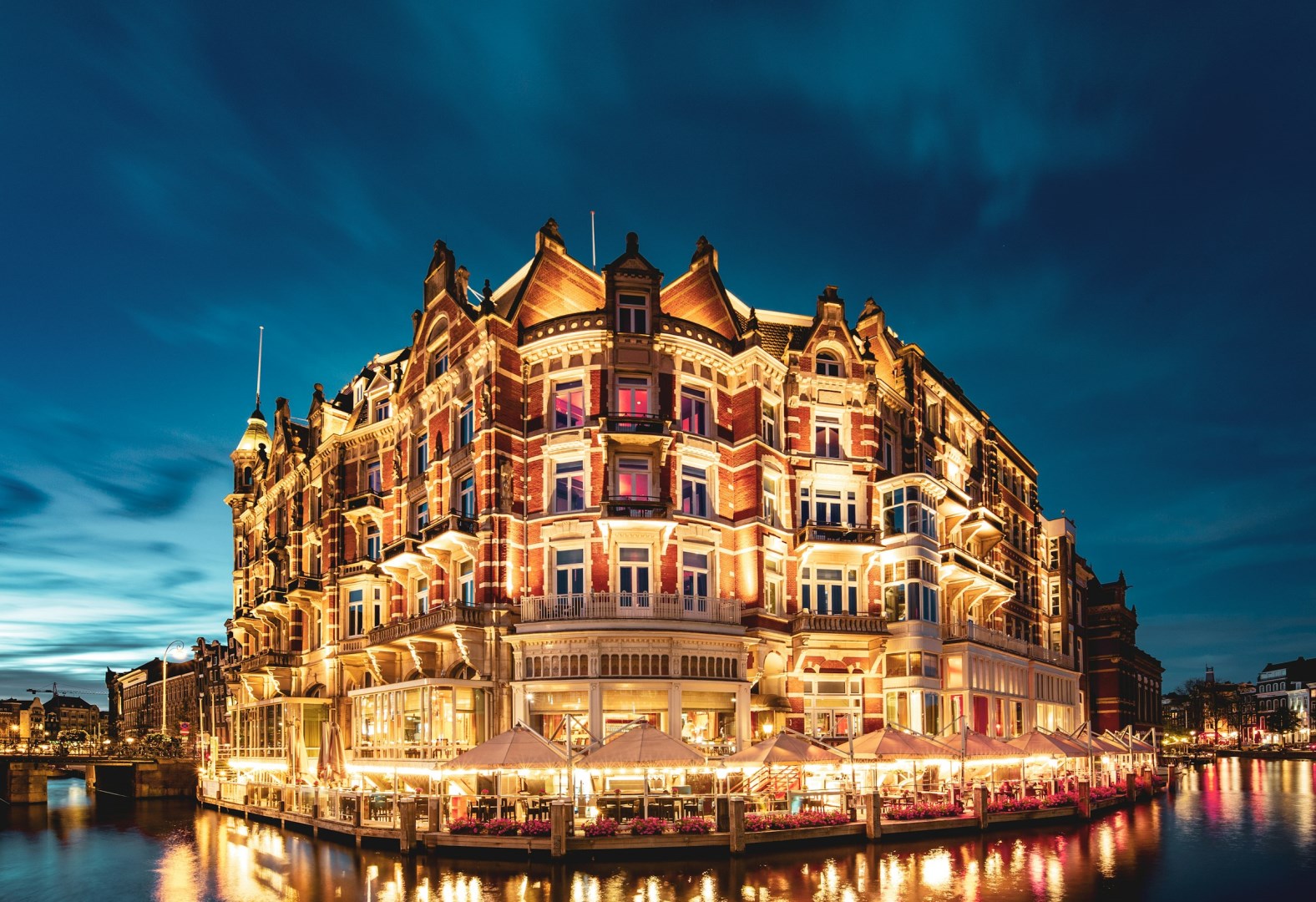
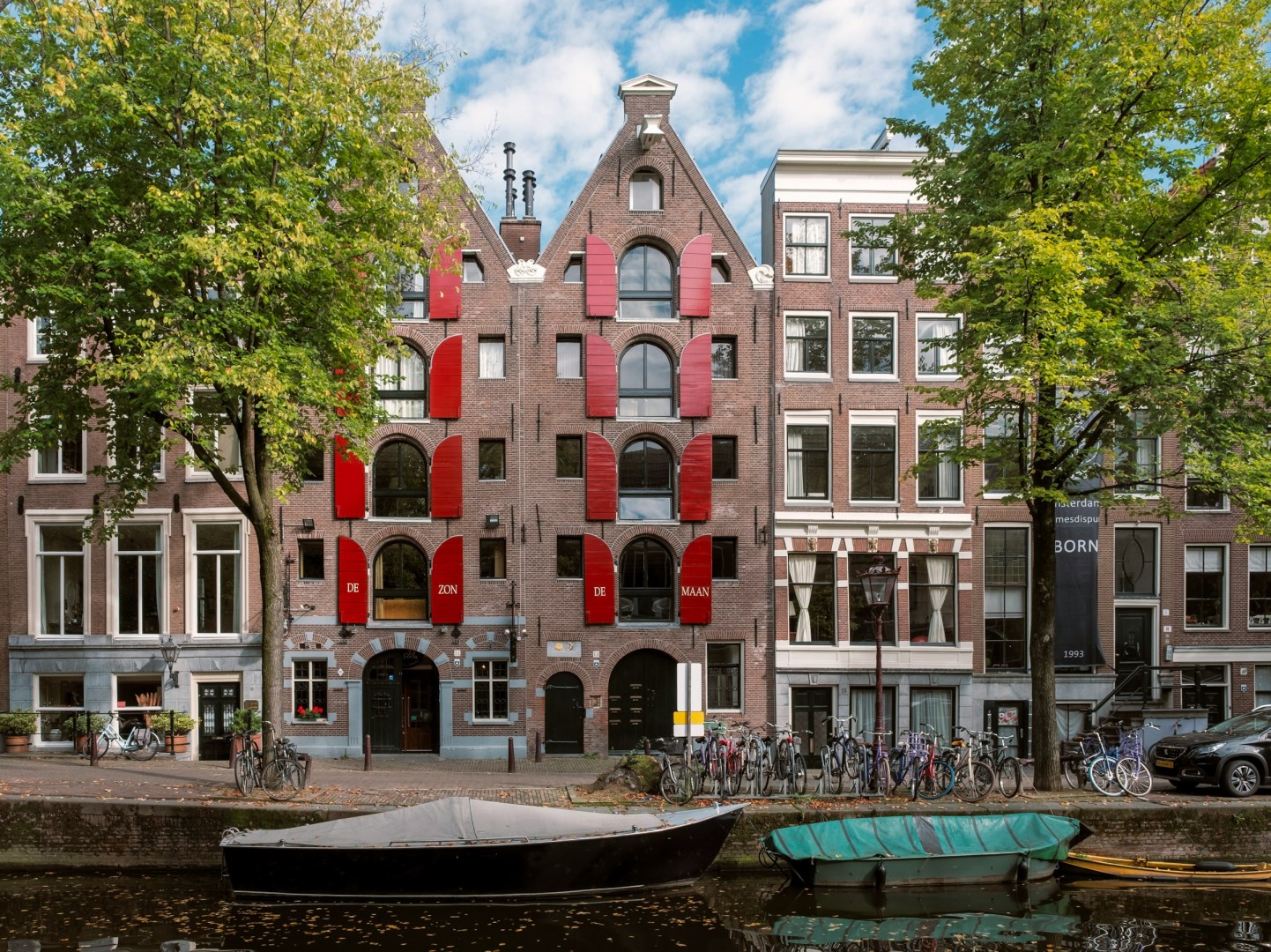
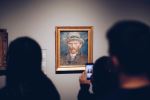
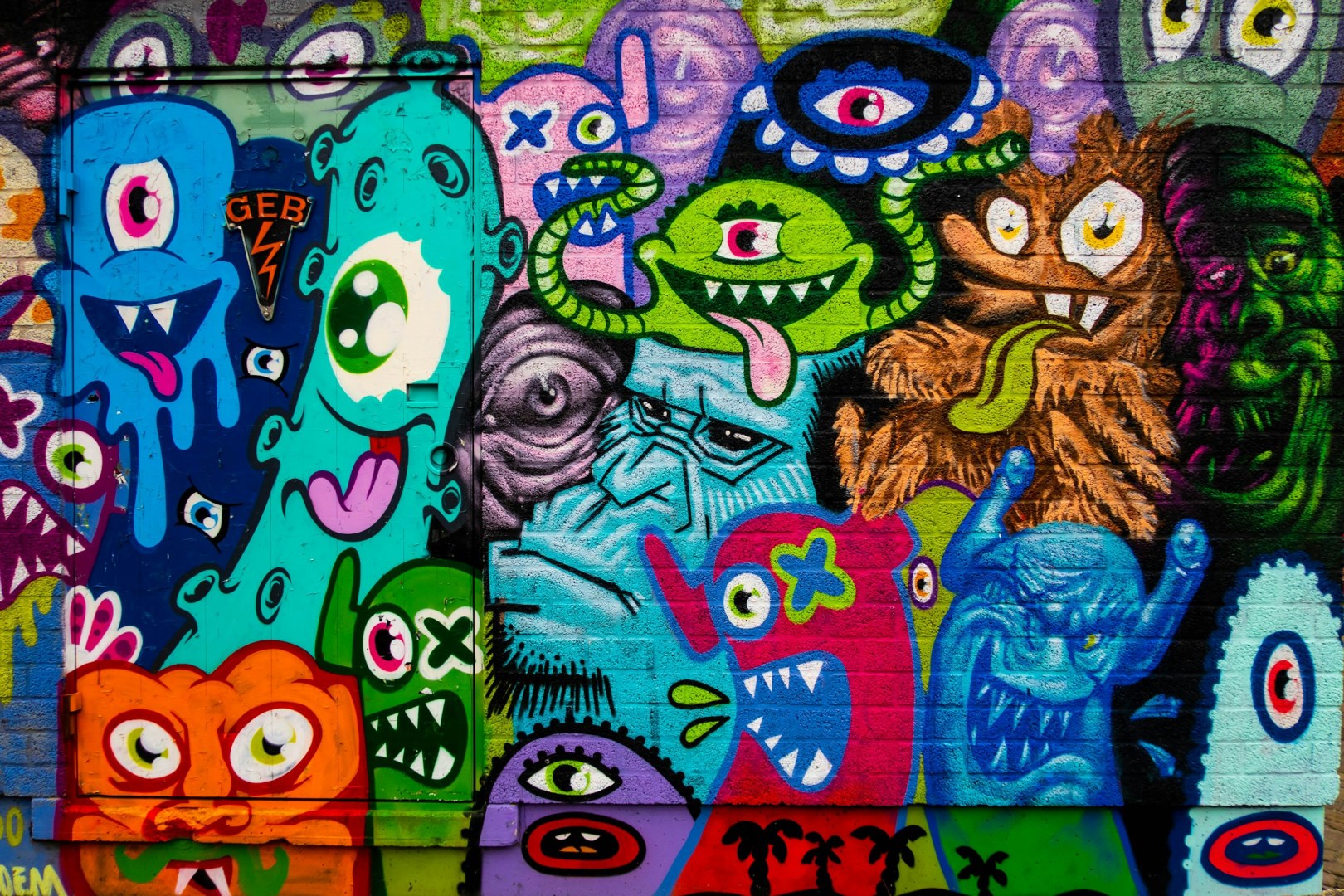

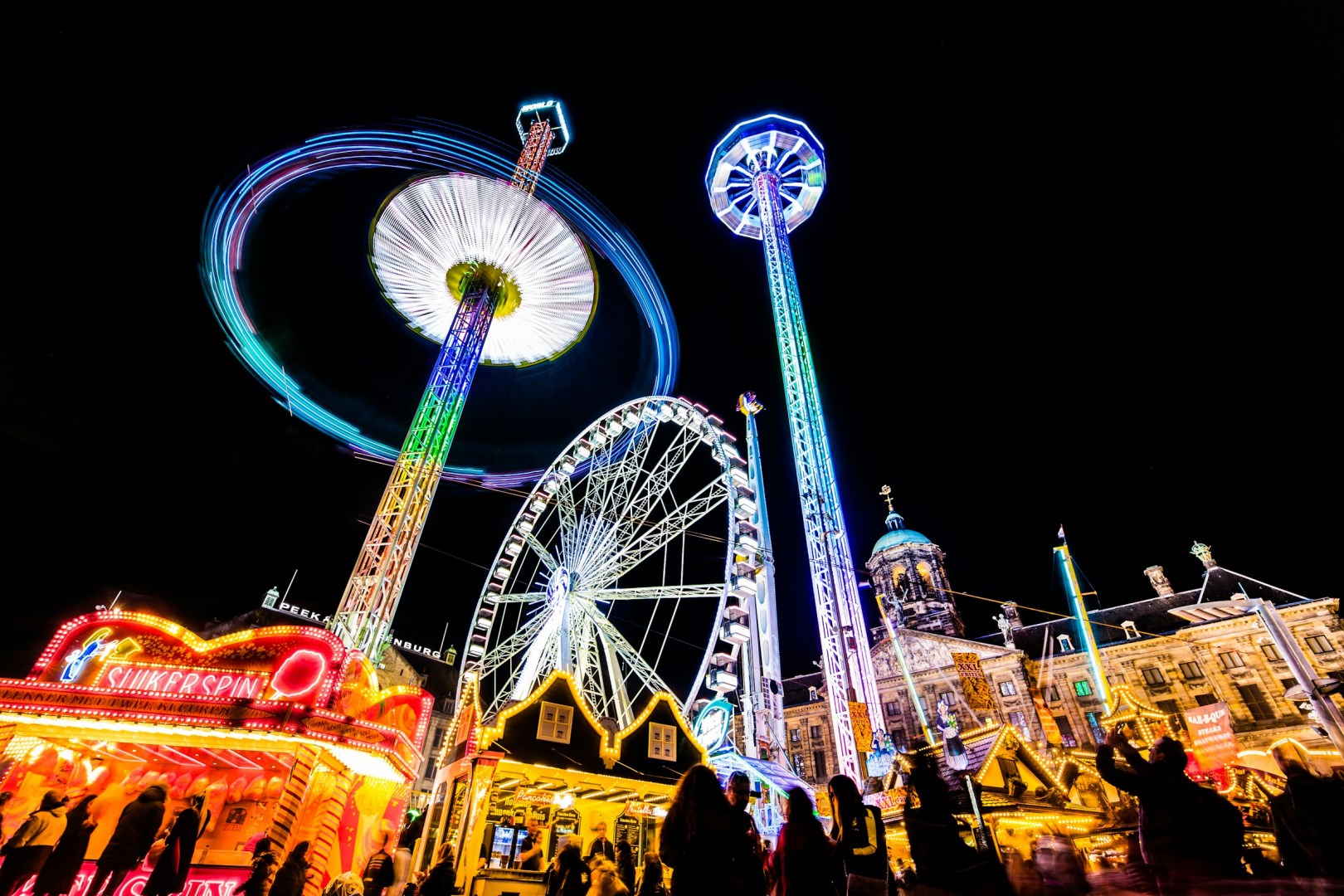
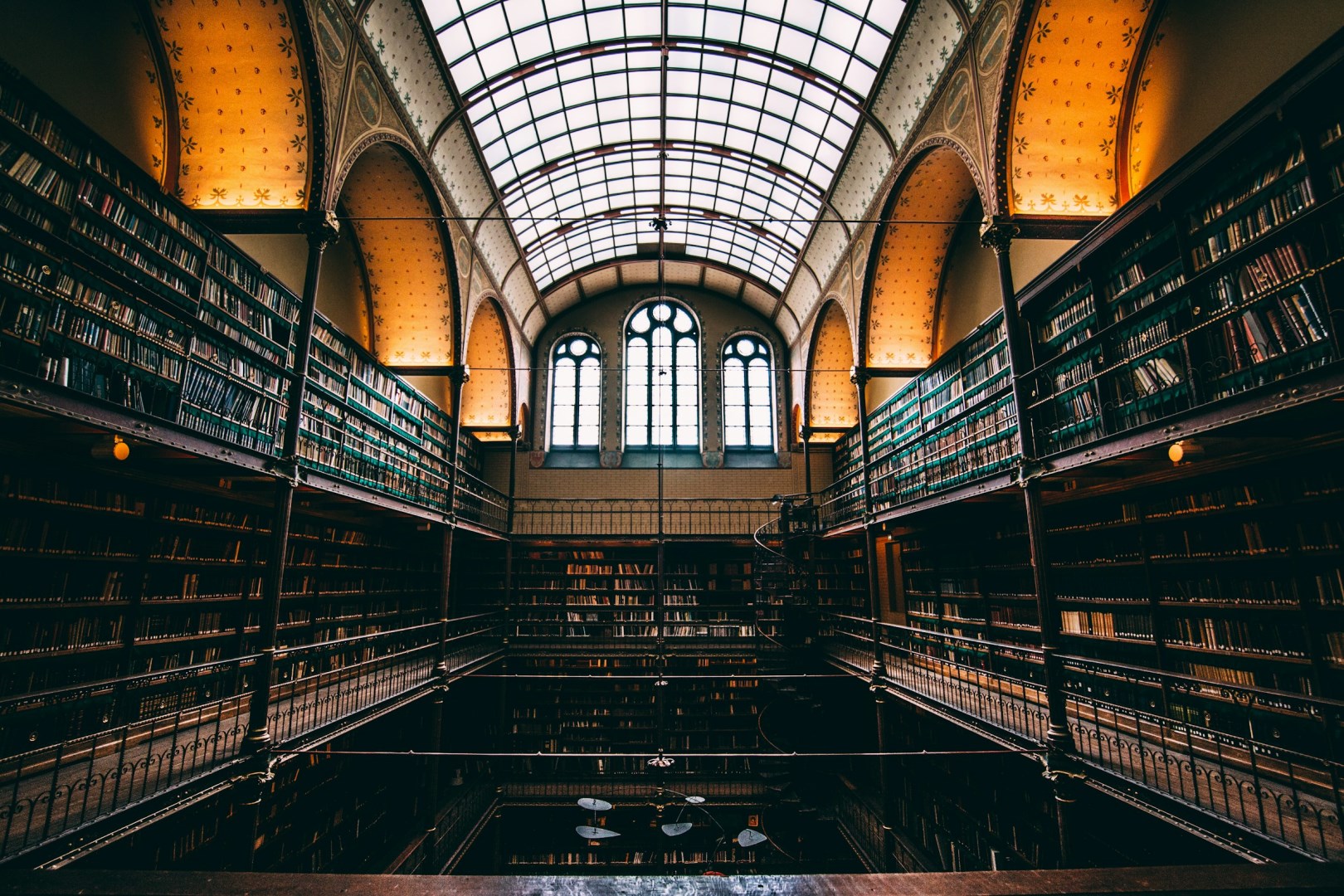
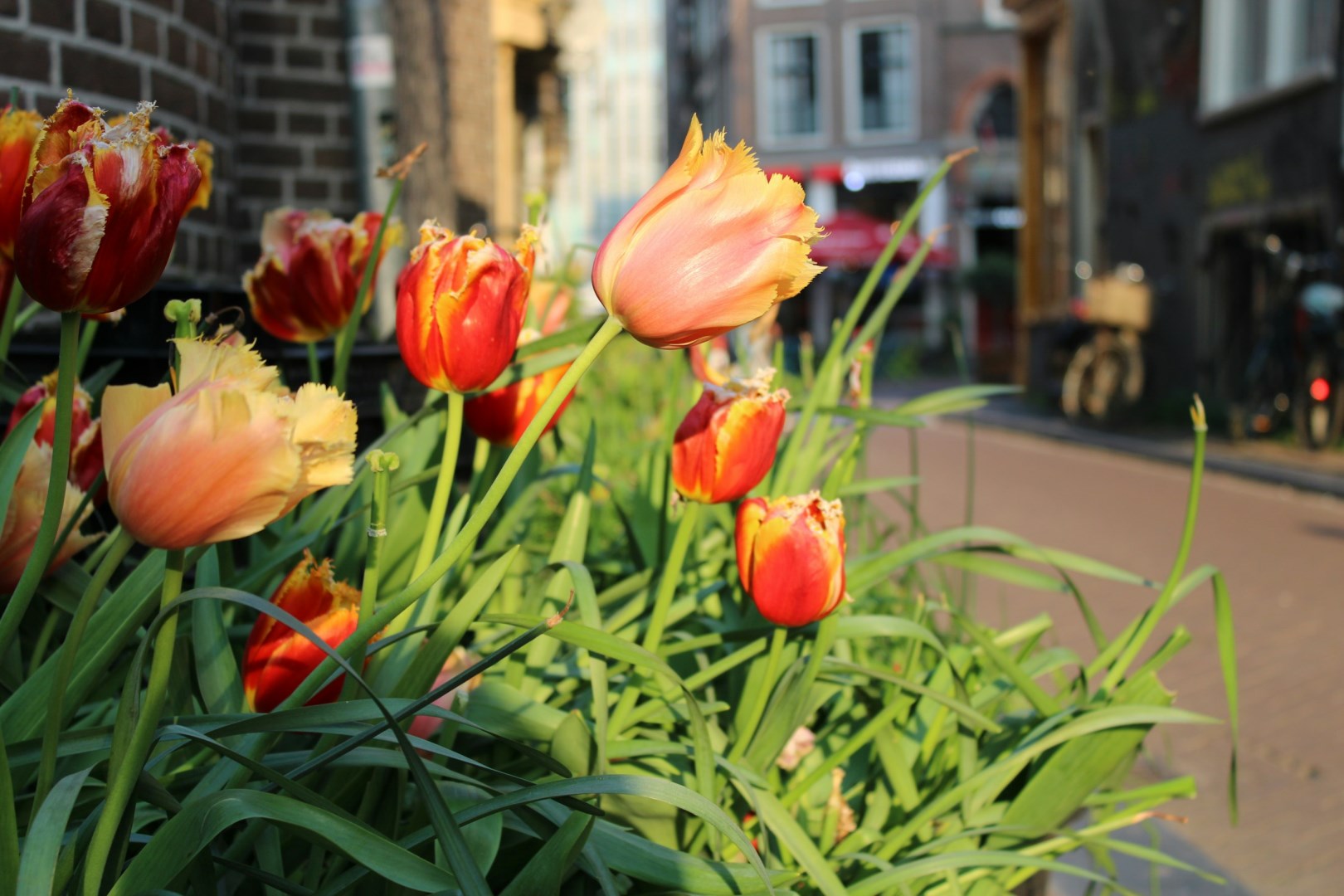
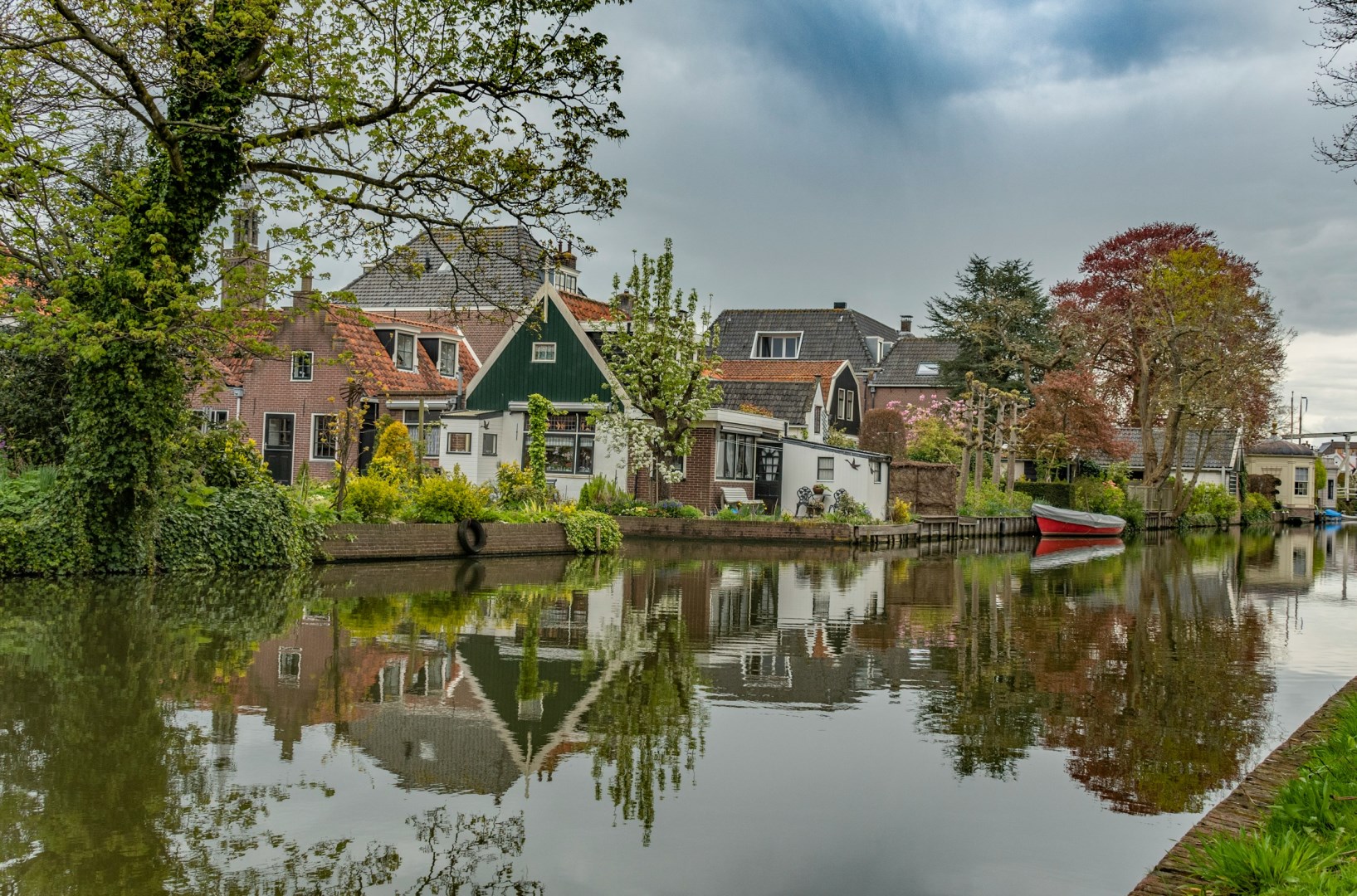

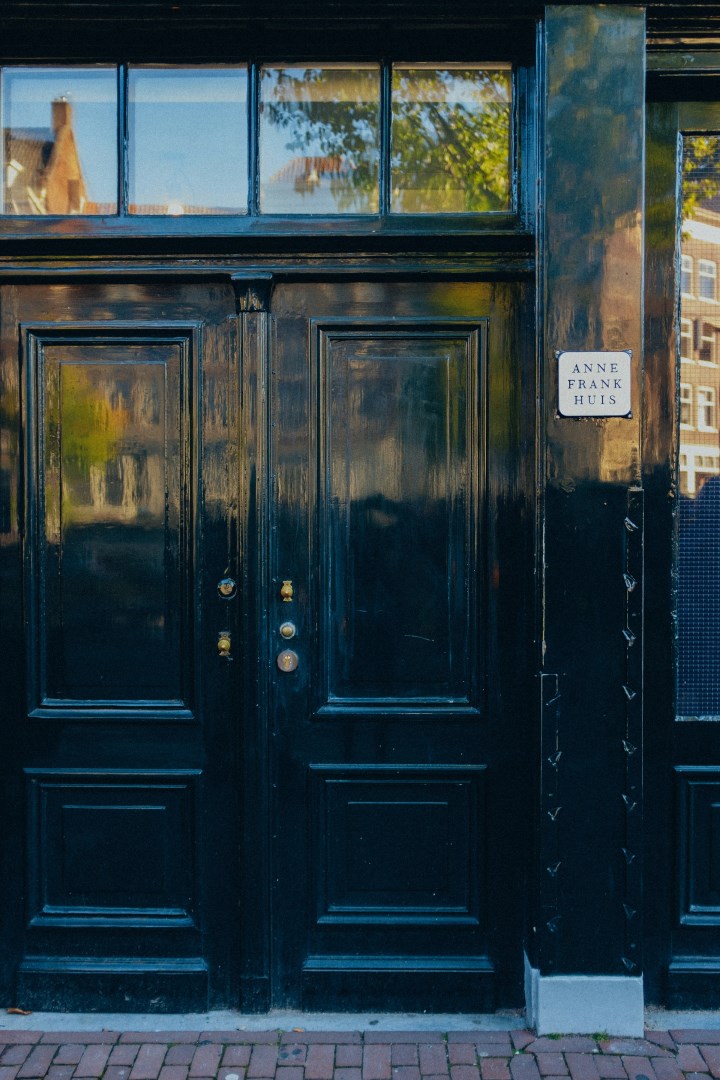

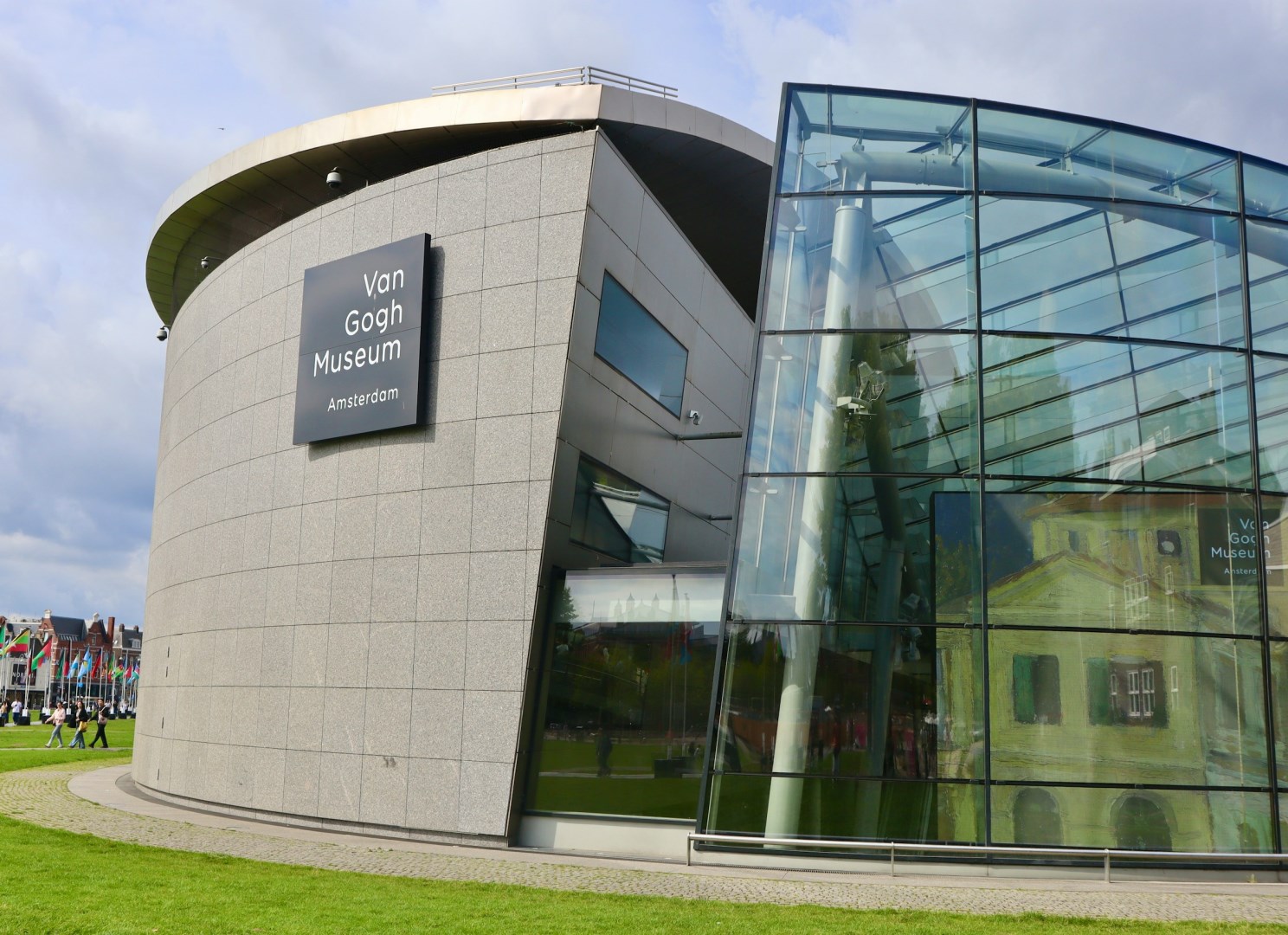

Apart from the canals, attractions in Amsterdam include the Van Gogh Museum, Hermitage Amsterdam, the Heineken Experience, the Anne Frank House, and the Royal Palace of Amsterdam. Nightlife abounds as well, with many visitors drawn to its vibrant network of nightclubs, theaters and festivals.
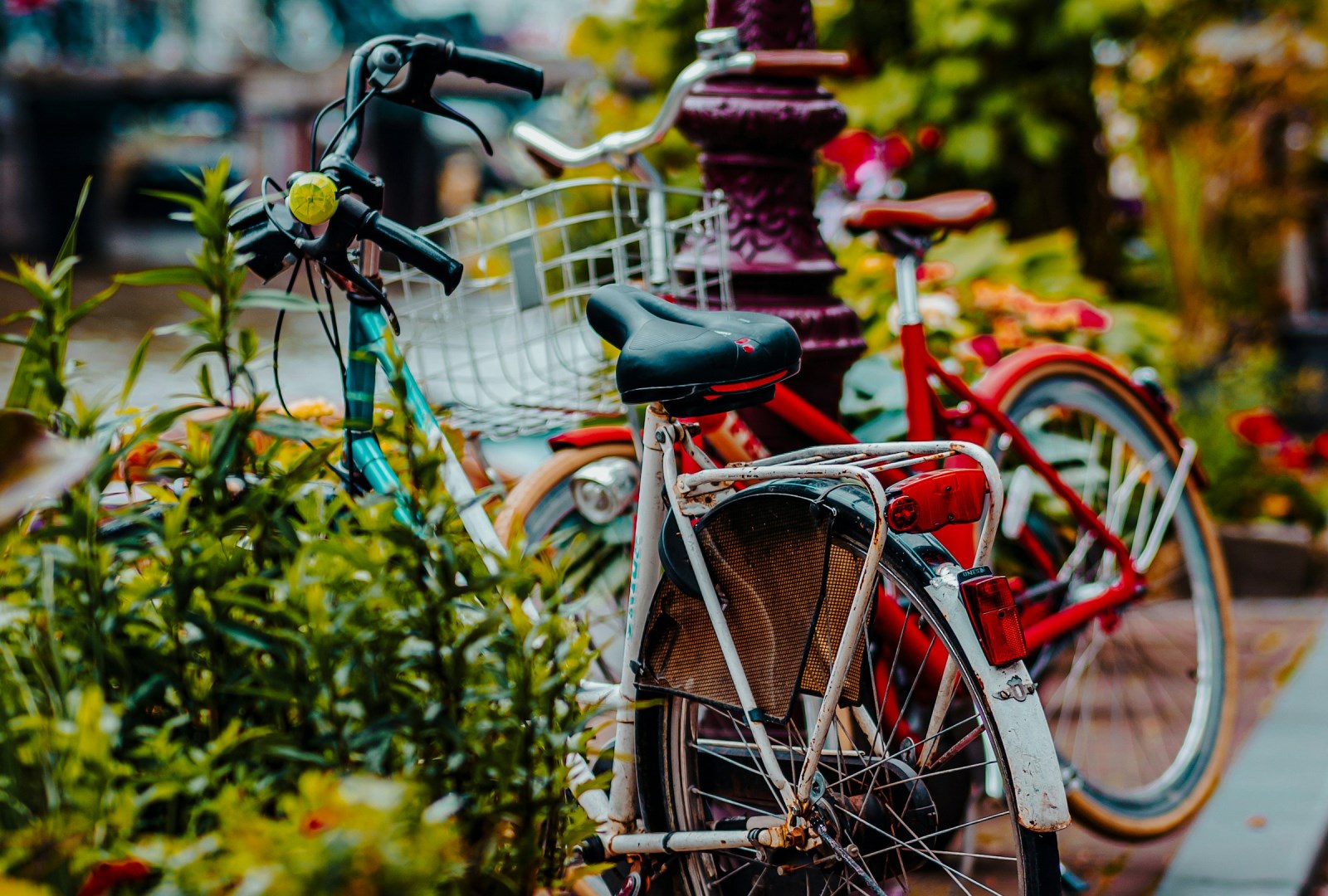
Starting in 2014, the city has undergone an urban renewal effort, focused on expanding the city center and involving the construction of artificial islands. This is a one-of-a-kind city that begs to be explored by bicycle or boat tour!
Learn More About Amsterdam
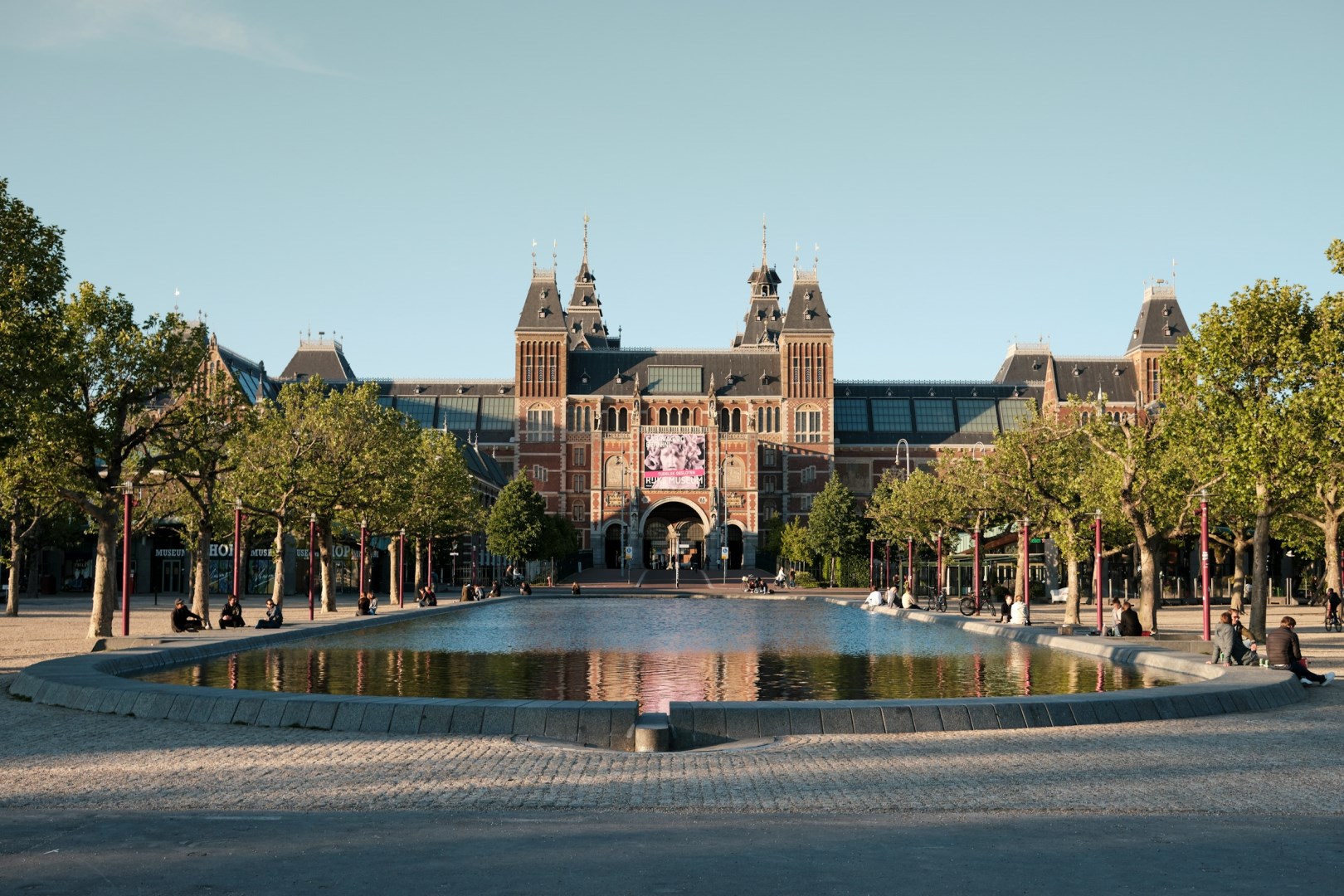
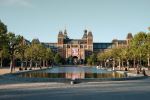
The Rijksmuseum is the national museum of the Netherlands and one of Amsterdam's major cultural institutions. Located on Museumplein, its large historic building houses more than 8,000 objects from a collection covering Dutch art and history. The museum's galleries range from medieval works to modern art, with particularly strong holdings in painting, decorative arts, sculpture, and historical objects. Its architecture is itself part of the experience, with a grand central passage, decorated halls, and the Gallery of Honour forming the core of the building.
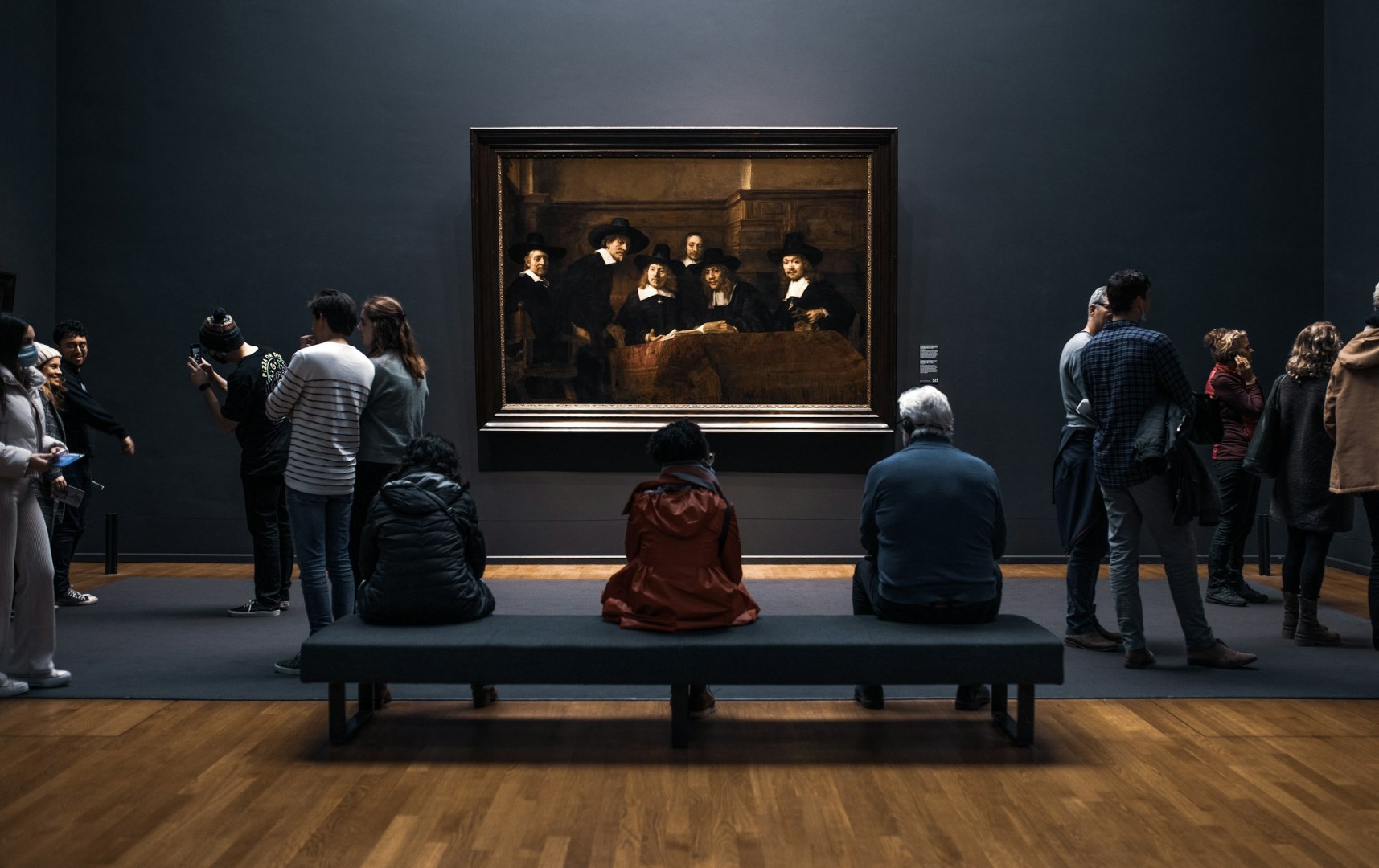
The museum presents Dutch history through artworks and objects rather than treating art and history as separate subjects. Its collection includes paintings by Rembrandt, Johannes Vermeer, Frans Hals, and Jan Steen, alongside furniture, weapons, model ships, dolls' houses, Delftware, and other objects. The Gallery of Honour brings together many of the museum's best-known paintings, while the Cuypers Library contains an extensive collection of books on art history. Together, these collections show how painting, craftsmanship, trade, domestic life, and public institutions shaped Dutch society.
Rembrandt's The Night Watch occupies a specially designed gallery at the end of the Gallery of Honour and is one of the museum's central works. Vermeer's The Milkmaid is another major highlight, while other galleries contain works by Van Gogh and a wide range of Dutch artists. Beyond the galleries, the Rijksmuseum Gardens surround the building with lawns, plants, historic architectural elements, and sculptures. The museum is situated beside the Van Gogh Museum and near the Stedelijk Museum, making Museumplein one of Amsterdam's principal concentrations of art institutions.
The Rijksmuseum also contains collections that extend beyond traditional Dutch painting, including Asian art, prints, photography, jewelry, musical instruments, and decorative objects. Its café provides a place to eat within the museum, while the gardens offer public outdoor space around the building. One distinctive feature is the museum's practice of displaying conservation and research work to visitors, including the ongoing study of The Night Watch. The combination of fine art, historical objects, architecture, gardens, and visible conservation makes the Rijksmuseum more than a collection of paintings and provides a broad introduction to Dutch cultural history.
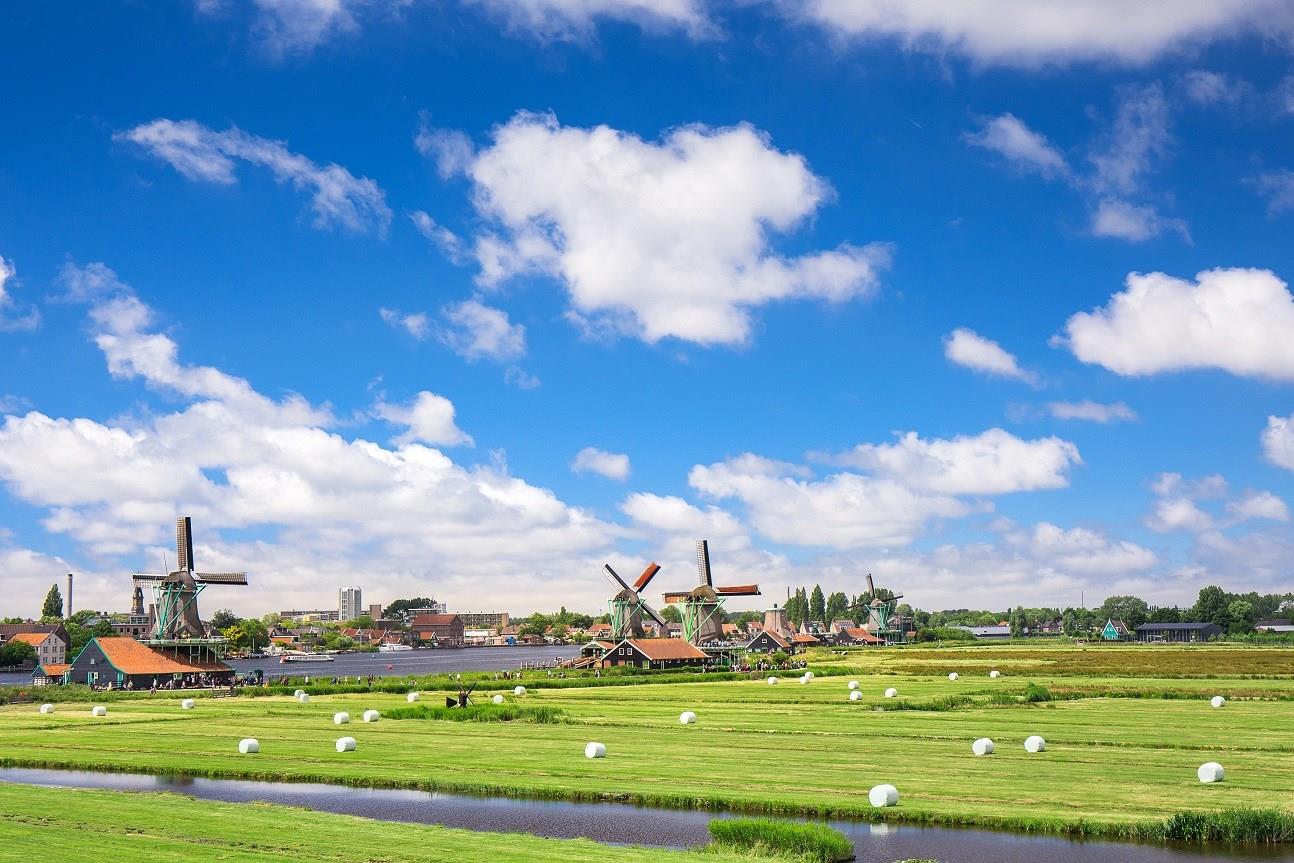
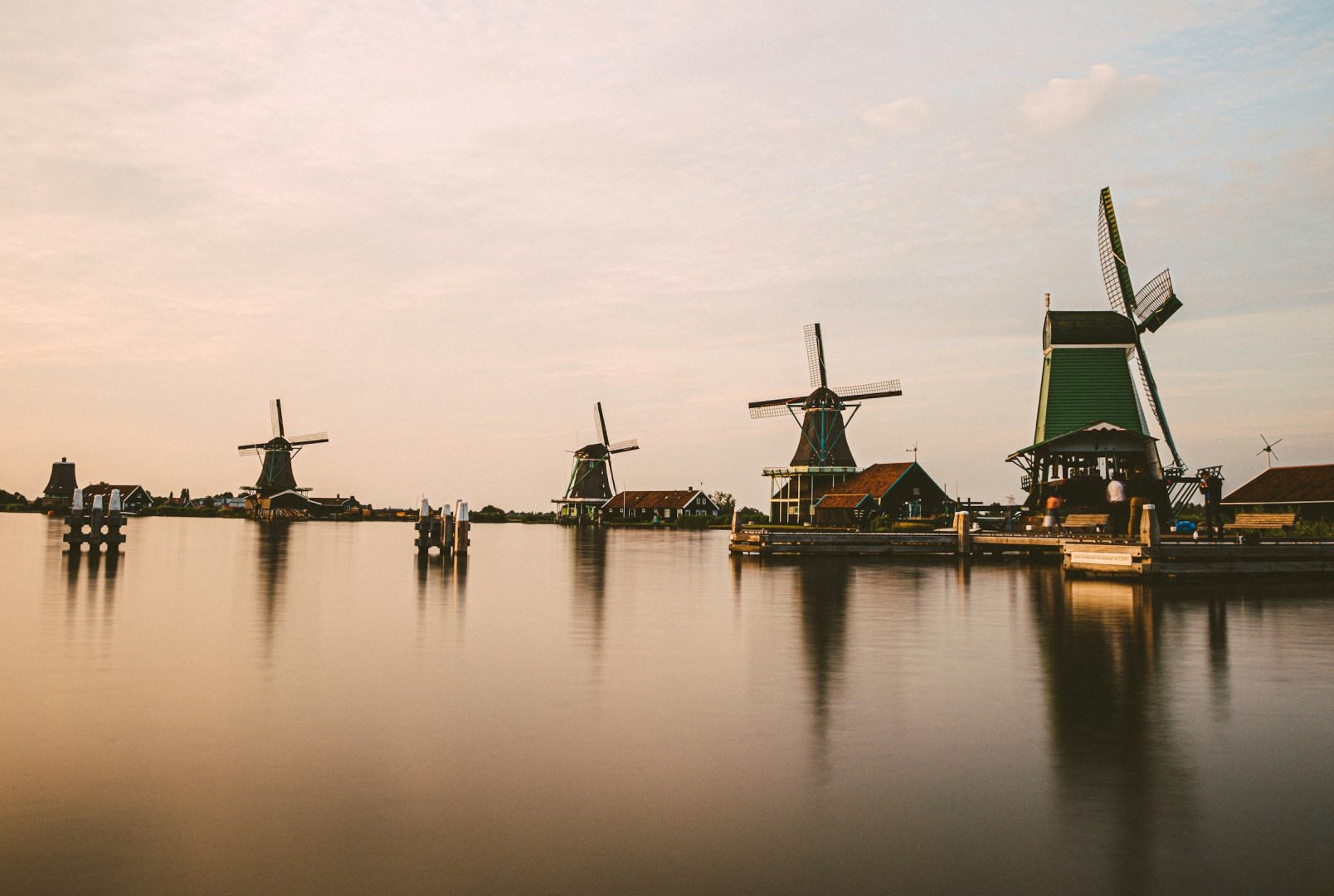
Zaanse Schans is an open-air heritage area near Zaandam, north of Amsterdam, known for its preserved windmills, wooden houses, workshops, and waterways. The landscape reflects the traditional appearance of the Zaan region, where industrial activity developed alongside the river and surrounding polders. Several historic buildings were relocated to the site, creating a concentrated setting where visitors can see traditional architecture and working crafts. The area is especially recognized for its windmills, many of which remain operational and demonstrate how wind power was used for milling, sawing, and other forms of production.
The Zaan region has a strong industrial heritage, and Zaanse Schans illustrates the role of wind-powered machinery in local manufacturing. The site includes traditional wooden houses painted in characteristic green shades, along with barns, warehouses, and workshops. Visitors can learn about crafts such as clog making and cheese production, both of which remain closely associated with Dutch rural traditions. The Zaans Museum, located within the heritage area, provides additional context through collections covering regional life, industry, and culture. Together, the buildings and museums show how work and domestic life were closely connected along the Zaan River.
The windmills are the main landmarks at Zaanse Schans, with several open to visitors and still used for practical purposes. De Kat is a working windmill associated with the production of pigments, while other mills have been used for sawing timber, grinding grain, or processing materials. Wooden footbridges and paths connect the buildings along the waterfront, with views across the Zaan and surrounding fields. The site is compact enough to explore on foot, and cycling routes connect Zaanse Schans with nearby villages and the wider North Holland landscape.
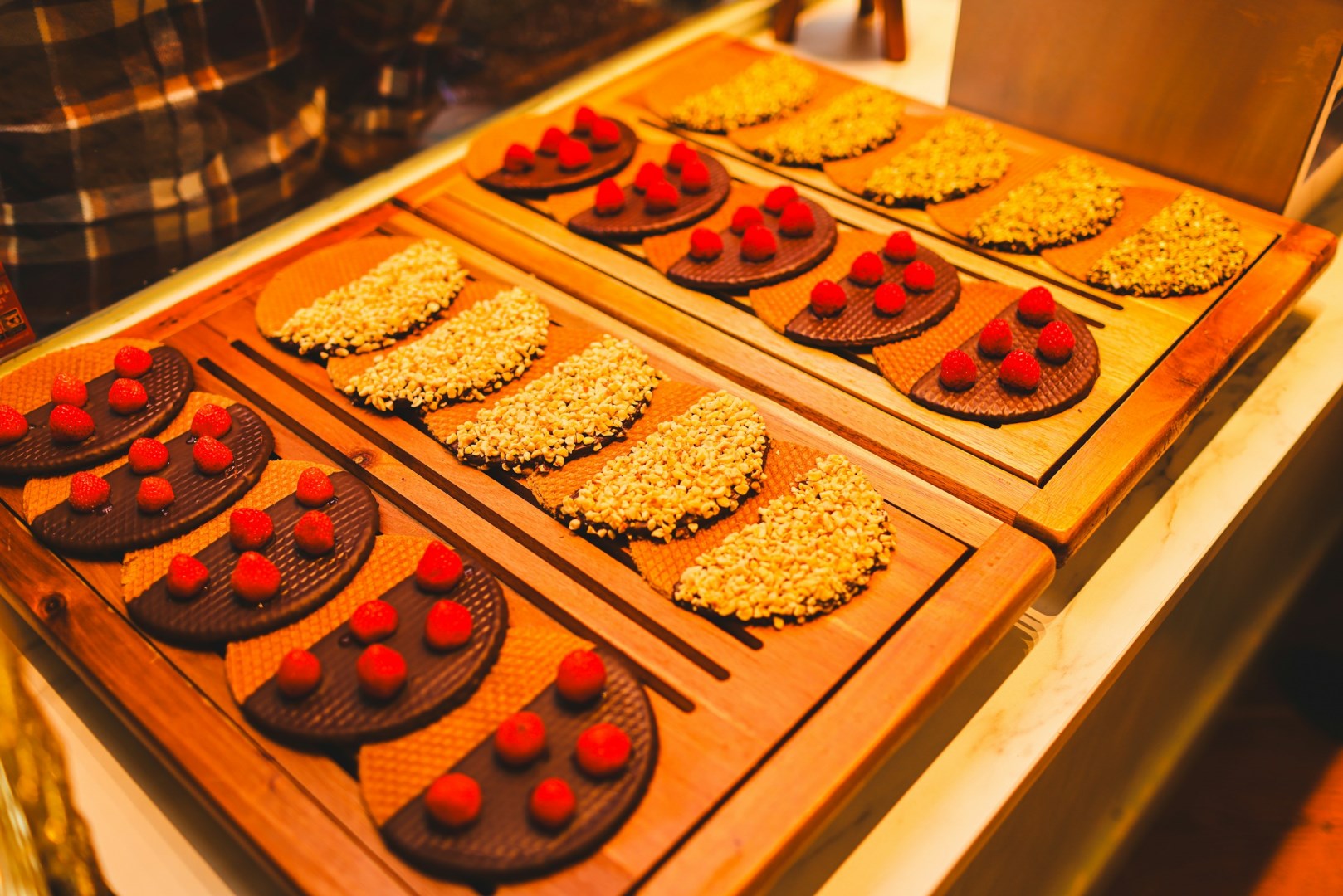
Food and traditional products are an important part of the experience, with demonstrations and shops devoted to Dutch cheese, stroopwafels, mustard, and other regional specialties. A working clog workshop demonstrates the production of wooden footwear, while several historic buildings contain craft displays or small museums. The area is not simply a collection of decorative windmills: many of its mills and workshops demonstrate actual techniques associated with the region's industrial past. Its proximity to Amsterdam makes Zaanse Schans a convenient place to explore North Holland's traditional architecture, crafts, and wind-powered industry in one concentrated setting.
The Anne Frank House is a museum on the Prinsengracht canal in central Amsterdam, preserving the building where Anne Frank and her family went into hiding during the German occupation of the Netherlands. The museum occupies the former business premises and concealed annex where several people lived in hiding. Its rooms are largely empty, reflecting the condition of the hiding place after its occupants were arrested, while photographs, documents, personal objects, and historical information help explain the lives of those who stayed there. The museum also addresses the broader history of persecution and the Holocaust.
Anne Frank began writing her diary while living in hiding, and her writings became an important historical record of her experiences and observations. The original diary is preserved by the Anne Frank House and displayed as part of the museum's collection. Other exhibits explore the lives of Anne, her family, and the other people who shared the hiding place, as well as the helpers who supported them. The museum places Anne's story within the wider history of Jewish persecution, antisemitism, deportation, and the Nazi occupation of the Netherlands.
The Secret Annex is the central part of the museum visit. A concealed entrance behind a movable bookcase leads into the cramped rooms where the people in hiding lived. Anne's room still contains the wall decorations she placed there, including pictures of film stars and other figures. The building's preserved spaces provide a direct sense of the limited living conditions inside the annex, while the museum's exhibitions continue through rooms in the front section of the building. The canal-side location also places the museum within Amsterdam's historic Jordaan area.
The Anne Frank House functions as both a museum and an educational institution, using Anne's story to examine themes of discrimination, persecution, freedom, and human rights. Its collection includes manuscripts, photographs, documents, and personal belongings connected with Anne Frank and the people around her. The museum also conducts educational programs and research into the history of Anne Frank, the Frank family, and the Holocaust. Because the hiding place is preserved as a historic interior rather than reconstructed as a display, the visit focuses strongly on the original rooms, documentary evidence, and the people whose lives are recorded there.
The Van Gogh Museum in Amsterdam houses the world's largest collection of works by Vincent van Gogh, bringing together paintings, drawings, and letters that trace the development of his art. Located on Museumplein, the museum occupies a modern building designed specifically to present the collection, with a separate exhibition wing connected to the main structure. The displays move through different stages of Van Gogh's career, allowing visitors to see changes in his subjects, techniques, and use of color. The museum also places his work alongside paintings by artists who influenced his development.
Van Gogh's life and artistic development form the central theme of the museum. The collection includes works from his early period, when he focused heavily on rural life and working people, as well as paintings created after he moved to France and developed a more expressive style. His letters to his brother Theo provide important insight into his working methods, friendships, ambitions, and struggles as an artist. The museum uses these documents alongside the artworks to present Van Gogh as both a painter and a writer whose ideas about art changed throughout his life.
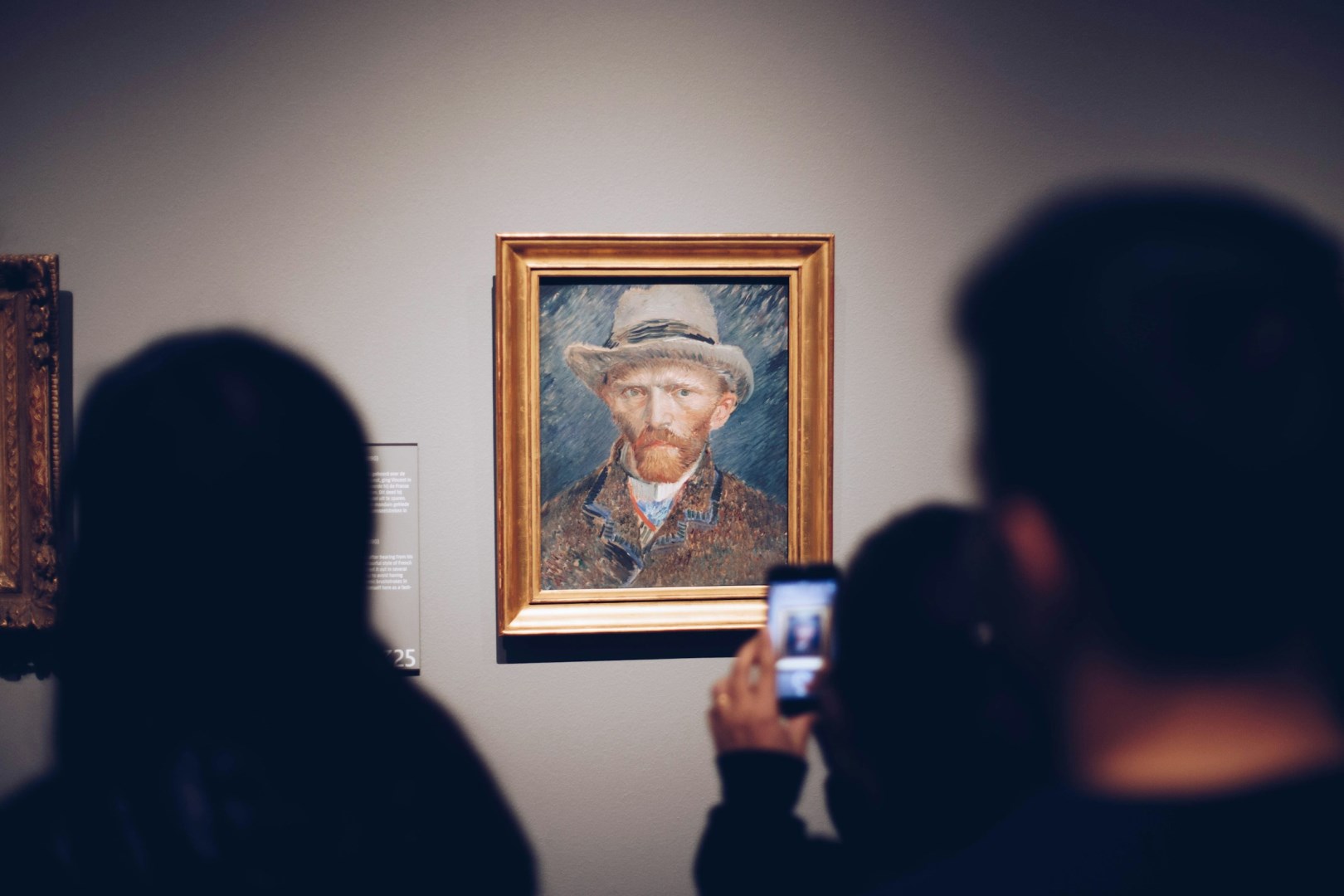
Among the museum's best-known works are The Potato Eaters, Sunflowers, The Bedroom, Almond Blossom, and several self-portraits. The collection also includes numerous drawings that reveal how Van Gogh studied landscapes, figures, and everyday subjects before developing them into finished paintings. The museum's exhibitions often connect his work with that of other artists, including Paul Gauguin, Claude Monet, and Georges Seurat. Its location on Museumplein places it beside the Rijksmuseum and Stedelijk Museum, creating a concentrated area of major art institutions within central Amsterdam.
The museum's research and conservation work provide another important part of its role. Specialists study Van Gogh's paintings, drawings, letters, materials, and techniques, helping establish how individual works were created and preserved. The museum also presents temporary exhibitions that explore Van Gogh's relationships with other artists, artistic movements, and cultural subjects. A museum shop and café serve visitors after the galleries, while the surrounding Museumplein provides open space between Amsterdam's major museums. The collection's combination of paintings, drawings, letters, and research makes the museum an important resource for understanding both Van Gogh's art and his working process.
For public transport in Amsterdam and the general area, the public transport chip card (OV-chipkaart), which can be used to travel on trams, buses and trains. The best option if you visit is a one-hour card or day card (valid for one to seven days). Buy one-hour tickets from the driver or conductor on the bus or tram.
Day tickets may be purchased in advance or purchased on the tram. Day cards are not available from bus drivers. Your ticket is valid across the whole network from the first use, allowing you to take as many journeys as you choose within a certain timeframe.
Amsterdam is on its way to making public transport completely cashless. Now, tickets can only be purchased using debit or credit cards.

Other Popular Destinations in Netherlands